Understanding School Board Campaign Marketing
In today's political landscape, the importance of school board campaign marketing cannot be overstated. School board elections are vital, not just for local governance but also for the overarching direction of educational policy in communities. Candidates must not only engage with voters but also demonstrate a clear understanding of the issues and needs affecting their districts. With strategic marketing, campaigns can resonate with parents, educators, and community members, creating a strong foundation for success. When exploring options, school board campaign marketing provides comprehensive insights into effective strategies and tools to enhance outreach efforts.
What is School Board Campaign Marketing?
School board campaign marketing encompasses the strategies and techniques that candidates utilize to promote their candidacy to voters. This includes everything from branding, messaging, and voter outreach to fundraising and event planning. Successful candidates use targeted marketing tactics to reach specific demographics, ensuring that their messages resonate with the community they intend to serve. Given the unique role of school boards in shaping educational outcomes, effective marketing is crucial for engaging constituents and fostering support.
Importance of Data in Campaigning
Data is the backbone of effective school board campaign marketing. Understanding the demographics, preferences, and behaviors of voters allows candidates to tailor their messaging and outreach strategies effectively. By leveraging comprehensive voter files, campaigns can identify key demographic segments—such as parents of school-aged children, educators, and local community leaders—and craft targeted messages that address their specific concerns.
Current Trends in School Board Elections
School board elections are experiencing shifts in dynamics due to various factors, such as increased voter engagement and evolving educational issues. Recent trends indicate that more candidates are leveraging digital platforms to spread their messages, with social media becoming a primary tool for voter engagement. Moreover, issues such as school funding, diversity in education, and curriculum choices have become central themes in many campaigns, reflecting broader societal concerns.
Building Your Campaign Strategy
Once candidates understand the landscape of school board campaign marketing, the next step is to build a solid campaign strategy. This includes identifying key voter demographics, crafting effective messaging, and establishing a realistic budget that encompasses all aspects of the campaign.
Identifying Key Voter Demographics
Identifying the key voter demographics is essential for any successful school board campaign. Candidates should analyze the voter base within their district, focusing on segments such as parents, teachers, and local activists. By understanding the interests and concerns of these groups, campaigns can create targeted messaging that resonates well, increasing the likelihood of voter support. Surveys, focus groups, and community feedback sessions can provide valuable insights into what voters are prioritizing.
Effective Messaging for School Board Candidates
The messaging used by school board candidates should align with the needs and concerns of their identified voter demographics. Effective messaging often includes a clear articulation of the candidate’s vision, specific policy proposals, and a demonstration of their commitment to educational improvement. It is vital for candidates to communicate not only their goals but also how they plan to achieve them. Using relatable anecdotes, data-driven insights, and compelling visuals can enhance the effectiveness of the messaging.
Setting Up Your Campaign Budget
A well-planned budget is critical for executing a successful campaign. Candidates must consider various factors, including fundraising, advertising, events, and operational costs. Budgeting should reflect the campaign's strategic priorities, ensuring that key areas receive adequate funding. Additionally, transparency in campaign financing can foster trust and credibility among voters.
Leveraging Voter Data
Accessing and utilizing accurate voter data is paramount for informing campaign strategies and maximizing outreach efforts. Candidates should focus on acquiring updated voter files and segmenting that data to tailor their campaigns effectively.
Accessing Updated Voter Files
Updated voter files provide candidates with critical information needed to target their outreach efforts. For just $1,000, candidates can obtain complete, verified voter files that include names, addresses, and contact information for every voter in their district. This foundational step enables campaigns to contact voters directly and personalize their communication.
Segmenting Voter Data for Targeted Campaigns
Segmenting voter data allows campaigns to focus their efforts on specific groups within the electorate. By creating targeted lists based on demographics such as age, education level, and voting history, candidates can tailor their messages more effectively. This targeted approach increases the chances of engagement and fosters a deeper connection with constituents.
Analyzing Voter Behavior and Preferences
Understanding voter behavior is essential for adapting campaign strategies over time. Campaigns should analyze historical voting patterns, response rates to previous outreach efforts, and feedback from constituents. This analysis can identify what resonates with voters and what doesn’t, allowing candidates to pivot their strategies for greater effectiveness.
Implementing Campaign Tactics
Once a strategy is in place, implementing campaign tactics becomes the next critical phase. Candidates should employ a mix of online and offline strategies to engage with voters and build their presence in the community.
Online and Offline Campaign Strategies
Effective campaigns utilize both online and offline strategies to maximize outreach. Online strategies may include targeted social media advertising, email campaigns, and creating engaging content on campaign websites. Offline strategies can consist of door-to-door canvassing, community events, and public forums. A blended approach ensures candidates can reach constituents where they are most active.
Utilizing Social Media for Engagement
Social media platforms have transformed the way campaigns communicate with voters. Candidates should leverage platforms like Facebook, Twitter, and Instagram to share updates, engage with followers, and promote their messages. Utilizing live videos, Q&A sessions, and interactive polls can help candidates connect with their audience on a personal level and foster a sense of community.
Organizing Community Events and Meet-ups
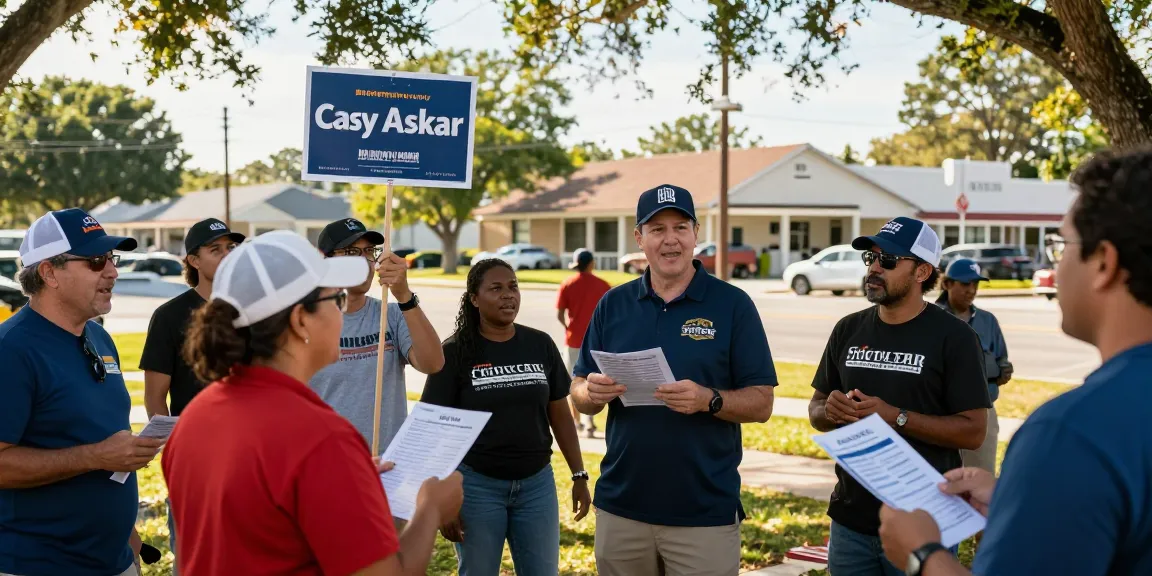
Community events and meet-ups provide candidates with an opportunity to connect directly with constituents. Organizing town halls, meet-and-greets, or educational forums allows voters to engage with candidates and discuss their concerns. These events can build trust, as candidates demonstrate their commitment to listening to the community and addressing real issues.
Measuring Campaign Success
Measuring the effectiveness of a campaign is crucial for understanding what works and what requires adjustments. Candidates should establish key performance indicators (KPIs) to track their progress and make informed decisions.
Key Performance Indicators in School Board Elections
Key performance indicators for school board campaigns might include metrics such as voter turnout, engagement rates on social media, email open and click-through rates, and fundraising totals. By monitoring these KPIs, candidates can assess the effectiveness of their strategies and identify areas for improvement.
Adjusting Strategies Based on Feedback
Feedback from voters can provide invaluable insights into campaign performance. Candidates should actively seek input from constituents through surveys, community discussions, and direct outreach. This feedback can inform necessary adjustments to strategies, messaging, and outreach efforts, ensuring that campaigns remain relevant and impactful.
Future of School Board Campaigns in 2026
As we look ahead to 2026, school board campaigns are likely to continue evolving with shifting voter expectations and technological advancements. The integration of data analytics and digital marketing will play a pivotal role in shaping future campaigns, enhancing the ability to connect with voters effectively.
What tools can enhance school board campaign marketing?
In the digital age, several tools can significantly enhance school board campaign marketing. Platforms for voter data analysis, social media management, and online fundraising are imperative. Integrating these tools into a comprehensive strategy enables candidates to streamline their efforts and engage voters more effectively.
How do I effectively target voters in my district?
Effectively targeting voters requires a deep understanding of the community’s demographics and concerns. Utilizing updated voter files, conducting surveys, and engaging with local organizations can provide the insights needed to develop a targeted approach to campaign messaging and engagement.
What mistakes should I avoid in campaign marketing?
Common mistakes in campaign marketing include failing to define the target audience, neglecting data analysis, and underestimating the importance of transparency. Candidates should avoid vague messaging and instead focus on clear, specific, and relatable communication that resonates with voters.
How important is community engagement for school board campaigns?
Community engagement is crucial for school board campaigns. It fosters trust and connection between candidates and voters, creating a sense of accountability. Active engagement demonstrates a commitment to understanding and addressing the needs of the community, which can significantly enhance a candidate’s chances of success.
What are the costs associated with running a school board campaign?
The costs associated with running a school board campaign can vary widely depending on the scope of the campaign and the chosen strategies. Key expenses include voter data acquisition, marketing materials, event organization, and advertising costs. Candidates should budget realistically to ensure thorough outreach while being mindful of financial transparency.