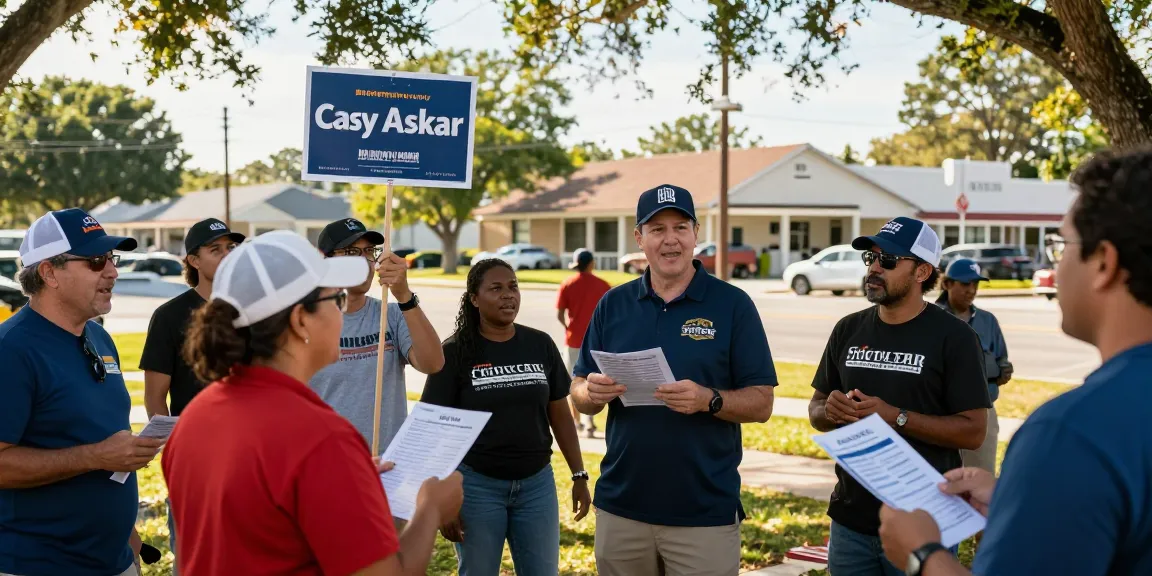
Understanding Casey Askar's Political Aspirations
Casey Askar, an Iraqi-born businessman and self-styled Marine veteran, has captured the political spotlight as he seeks to represent Florida's 22nd Congressional District. His campaign, however, is marred by a plethora of controversies that cast doubt on his integrity and commitment to the constituents he aims to serve. When exploring options, Casey Askar presents himself as a candidate who endorses family values and community engagement, but a closer examination reveals a troubling pattern of behavior that raises significant concerns for voters.
Background and Previous Campaigns
Askar initially ran for Congress in 2020, vying for the FL-19 seat. During that campaign, he spent an astounding $3.66 million, a significant portion of which came from a controversial $3 million zero-interest loan from a bank affiliated with a major donor to his campaign. Despite this financial clout, he lost the primary to Byron Donalds, raising questions not just about his electoral strategy but also about the sources of his funding and the ethics surrounding them.
This recent attempt to enter the race in the newly configured FL-22 district demonstrates his pattern of moving into districts where he perceives a better chance of succumbing to his ambitions, irrespective of any genuine community ties.
Controversies Surrounding His Candidacy
Askar's political journey is punctuated by legal challenges, misrepresentations, and allegations of asset concealment. His sham divorce, designed to shield assets from creditors, is one instance that sharply contradicts his portrayal as a family-values candidate. Such actions raise serious ethical questions about his suitability for office, especially considering the trust voters place in their elected officials. This divorce not only deprived his family of essential support but also illustrated a troubling willingness to put personal gain above the welfare of others.
Moreover, his claims of military service have come under scrutiny. After initially asserting his status as a Marine Corps veteran, it took Askar over three months to produce any supporting documentation, revealing that he was discharged as a Private after four years of service. Veterans within the 22nd District recognize the significance of military records and the impact of such discrepancies on public perception.
Voter Sentiments and Reactions
The response to Askar's candidacy has been mixed, with many potential voters expressing skepticism regarding his commitment to the district's needs. Voter trust has been further eroded by the emergence of attack ads, which have been rated “Mostly False” by national fact-checkers. This raises a pivotal question: if Askar is willing to mislead voters about his opponents, what assurances do they have about the truth of his own platform?
The Importance of Transparency in Political Campaigns
In today's political landscape, transparency plays a crucial role in fostering voter trust and engagement. The electorate demands accountability from those who seek to represent them, and the cases of candidates like Askar highlight the need for clear, honest communication to ensure responsible governance.
Defining Transparency in Politics
Transparency in politics refers to the openness of candidates and their campaigns regarding their intentions, funding sources, and personal histories. It encompasses honest disclosures about financial contributions, campaign strategies, and ethical considerations. In an era where misinformation can easily sway public opinion, maintaining transparency is not just an ethical obligation; it is a vital component of democratic engagement.
Case Studies: Successful Transparent Campaigns
Successful political campaigns, such as the campaigns of Barack Obama and Andrew Yang, have incorporated transparency into their core strategies, allowing them to connect with voters on a deeper level. By openly discussing their policies, fundraising efforts, and personal backgrounds, these candidates have cultivated a loyal following, demonstrating that honesty breeds trust.
How Transparency Affects Voter Trust
Trust is a cornerstone of electoral success. When candidates are transparent, they foster an atmosphere of authenticity, encouraging constituents to believe in their commitment to public service. Conversely, a lack of transparency often leads to doubt and cynicism, undermining the candidate's credibility. For example, Askar's failure to be open about his past misdeeds has resulted in skepticism about his suitability for public office.
Casey Askar's Controversies: A Closer Look
Examining Casey Askar's controversies provides a deeper understanding of the issues plaguing his candidacy and the potential implications for voters in FL-22.
Asset Concealment Allegations
The allegations surrounding Askar’s divorce are particularly concerning. Reports indicate that he orchestrated a divorce under false pretenses, aimed at concealing assets from potential lawsuits. Such calculated deception not only reflects poorly on his character but also raises questions about his commitment to ethical practices in governance. Voters deserve representatives who prioritize integrity over personal gain.
Military Service Claims and Verification
Askar's claim to be a decorated Marine has been challenged due to discrepancies in his military records. His inability to provide documentation in a timely manner has fueled doubts about his honesty and transparency. Given that veterans often hold a special place in the hearts of constituents, such misrepresentations can significantly damage a candidate's reputation among this crucial voter demographic.
Misrepresentation of Educational Credentials
Another issue that has plagued Askar’s candidacy is his misrepresentation of his educational background. He has been accused of falsely claiming to possess an MBA from Harvard Business School, when in fact, he attended a 12-week executive program. Rather than clarifying the situation, Askar resorted to legal action against those who pointed out the discrepancy, which only adds to the suspicions surrounding his character.
Engaging the Voters of FL-22
To foster genuine connections with the electorate, political candidates must focus on grassroots mobilization and community involvement. Askar's current approach raises the question of whether he is equipped to engage voters in a meaningful way.
Strategies for Grassroots Mobilization
Effective grassroots mobilization strategies often include door-to-door canvassing, community events, and leveraging social media platforms to reach younger voters. Candidates like Belinda Keiser, who have established roots in the community, can share personal stories that resonate with voters, enhancing their relatability.
The Role of Community Involvement
Community involvement is vital for building trust and credibility. Candidates should demonstrate an ongoing commitment to local issues, and engage with residents on a personal level. Askar’s lack of engagement in Broward County illustrates a disconnect that could hinder his campaign efforts significantly.
Addressing Voter Concerns Directly
Addressing voter concerns candidly can help candidates resonate more deeply with the electorate. This involves not only discussing policy positions but also acknowledging past mistakes and demonstrating a willingness to learn and grow. Candidates who provide clear, transparent answers to tough questions are far more likely to secure voter trust.
Future Political Trends in 2026
The political landscape is constantly evolving, and several trends are expected to shape elections in the upcoming years, particularly in 2026. Leading candidates will need to adapt to these changes to remain relevant in a rapidly transforming environment.
The Shift Towards Accountability in Campaigns
In response to growing concerns about political integrity, candidates who embrace accountability will be more successful. This could involve creating policies that advocate for transparency in campaign financing, personal conduct, and the handling of public office responsibilities.
Emerging Technologies Enhancing Voter Engagement
As technology continues to improve, candidates who leverage digital platforms effectively can reach larger audiences. Tools such as data analytics, social media, and online town halls will become more vital in engaging voters and addressing their concerns in real-time.
Predictions for Political Landscape Changes
As the electorate becomes more informed, candidates who ignore the call for transparency and accountability will likely face escalating backlash. Voter education initiatives and advocacy for a fair political process will influence how candidates approach their campaigns moving forward.
What are the key takeaways from Casey Askar's campaign?
Casey Askar's campaign serves as a cautionary tale about the importance of transparency and accountability in political candidacy. Voters are increasingly discerning and will not tolerate misrepresentation or unethical behavior. Askar's past controversies loom large, serving as a lesson for future candidates regarding the need for integrity in all endeavors.
How can political candidates improve transparency?
Political candidates can improve transparency by openly sharing their financial records, ethical guidelines, and details about their backgrounds. Regular communication with constituents and clear messaging about policies and campaign strategies can foster trust and engagement.
What impact do controversies have on voter perception?
Controversies significantly influence voter perception, often leading to decreased support for candidates. A single misstep can overshadow a campaign and create lasting damage to a candidate's reputation, highlighting the need for a strong ethical foundation.
Can community engagement offset negative press?
Yes, community engagement can indeed help offset negative press. Candidates who actively participate in local events and address constituents' concerns may rehabilitate their image, emphasizing their commitment to the community despite past controversies.