Understanding the Shift: Why IPTV Wins Over Cable in 2026
If you’ve felt the sting of rising cable bills or the frustration of restrictive contracts, you’re not alone. Many are exploring viable cable alternatives, but with so many options available, the process can get overwhelming. Among streaming platforms, skinny bundles, and antennas, there's one solution that stands out for its affordability and ease of use: IPTV, particularly services like Livetvfortv. This article will delve into the advantages of IPTV over traditional cable, exploring various aspects such as costs, content variety, and user experience. When exploring options, IPTV vs cable provides comprehensive insights that are crucial for consumers making the switch.
What is IPTV and How Does It Work?
IPTV, or Internet Protocol Television, delivers television programming using the internet protocol suite, rather than traditional terrestrial, satellite signal, or cable formats. This means that IPTV channels transmit content via your existing internet connection. Users can access a wide range of live TV and on-demand content across multiple devices—think smart TVs, computers, tablets, and smartphones.
IPTV operates by breaking down channels into streams that can be sent over the internet. When you select a channel on your IPTV service, the data is delivered to your device almost instantaneously, resulting in smooth playback without interference from physical cables or satellite dishes. Popular IPTV services, like Livetvfortv, aggregate thousands of channels and offer various subscription plans, which often include features such as cloud DVR and video-on-demand libraries.
Comparing Costs: IPTV vs Cable
Cost is a significant factor for many consumers. The average price for cable service in the United States hovers around $150 per month. In stark contrast, IPTV services like Livetvfortv boast plans starting as low as $5.83 per month on an annual basis. This stark difference in pricing highlights one of the most compelling benefits of IPTV.
When you choose IPTV, you're not just saving money; you're gaining access to more content without hidden fees. While traditional cable often tacks on expenses for premium channels or sports packages, IPTV provides an all-inclusive approach that covers the channels you actually want to watch at a lower price point.
Features and Flexibility: Why IPTV Outperforms Cable
Flexible contract terms are another area where IPTV outshines cable. Most cable providers lock customers into multiple-year contracts, with significant penalties for early termination. On the other hand, IPTV services typically offer month-to-month options, allowing users to cancel or change their plans at any time without incurring hefty fees. This flexibility is particularly appealing in today’s fast-paced world, where customer preferences can change rapidly.
Furthermore, IPTV platforms provide a more user-friendly experience with features like multi-device compatibility, allowing users to watch live or recorded content on various devices simultaneously. This contrasts with cable services, which often restrict viewing to a specific location or device. IPTV is tailored for the modern consumer who demands on-the-go access to their favorite content.
Content Variety: Breaking Down Channel Offerings
Live Channels and On-Demand Content
One of the most substantial advantages of IPTV is the sheer volume of content available. Services like Livetvfortv claim to offer over 15,000 live channels, including all major US networks, as well as an extensive library of on-demand movies and series. This variety makes IPTV a fantastic choice for viewers who want both live TV and access to a rich catalog of films and shows.
In contrast, cable networks often limit their offerings to a set package of channels, and viewers may find themselves paying for numerous channels they never watch. With IPTV, users can curate their viewing experience, selecting only the channels and shows that interest them while still accessing a broad range of content.
Sporting Events: A Key Comparison Point
Sports enthusiasts will find that IPTV stands tall against cable, especially regarding comprehensive coverage of major sports events. While traditional cable providers often require expensive add-ons for sports networks, IPTV services include all major sports channels—NFL, NBA, MLB, NHL, and others—at a fraction of the cost. Not only does this save money, but it also ensures that you won’t miss out on significant events happening in the sports world.
How to Access International Content with IPTV
Another aspect where IPTV shines is in its ability to deliver international content. Many IPTV providers feature channels from around the world, allowing users to explore global programming that traditional cable services may not offer. This is particularly beneficial for expats or globetrotters who wish to stay connected with their home countries' news and entertainment options.
Evaluating User Experience: Interface and Accessibility
Ease of Use: Navigating IPTV Systems
User experience in streaming services can make or break the viewing experience. IPTV platforms prioritize user-friendly interfaces, often integrating search functionalities and personalized recommendations. This makes it easy for subscribers to find what they want to watch quickly. Many IPTV apps include intuitive layouts that rival those of popular streaming services, ensuring a seamless and enjoyable experience.
Device Compatibility: Watching TV Anywhere
The flexibility of watching your favorite shows on various devices cannot be understated. IPTV services are generally compatible with a wide array of devices, including smart TVs, streaming devices like Roku and Amazon Fire Stick, smartphones, and tablets. This makes it easy to watch content wherever you are—whether you’re at home or on the go.
Subscription Models: No Contracts with IPTV
As previously mentioned, most IPTV services have eliminated the need for long-term contracts, offering subscribers various payment models. Users typically can choose between monthly, quarterly, or yearly subscriptions while having the freedom to cancel anytime. This aspect of subscription flexibility aligns with the preferences of a growing number of consumers who value freedom over commitment.
Real User Experiences: Testimonials and Case Studies
Switching from Cable: What Users Say
Many users who have transitioned from traditional cable services to IPTV like Livetvfortv have shared overwhelmingly positive experiences. They often highlight the significant cost savings and the extensive variety of available channels as the primary reasons for making the switch. Users express satisfaction with the flexibility of subscription plans, enabling them to adjust their viewing choices based on their evolving entertainment needs.
Saving Money: Real Cost Comparisons
Real cost comparisons illustrate just how much users can save by switching from cable to IPTV. For instance, once consumers realize they can reduce their monthly expenses from around $150 to under $6, the decision becomes a no-brainer. Many report saving upwards of $1,700 annually, which can be reinvested into other entertainment experiences or savings.
How IPTV Enhances Family Viewing Experiences
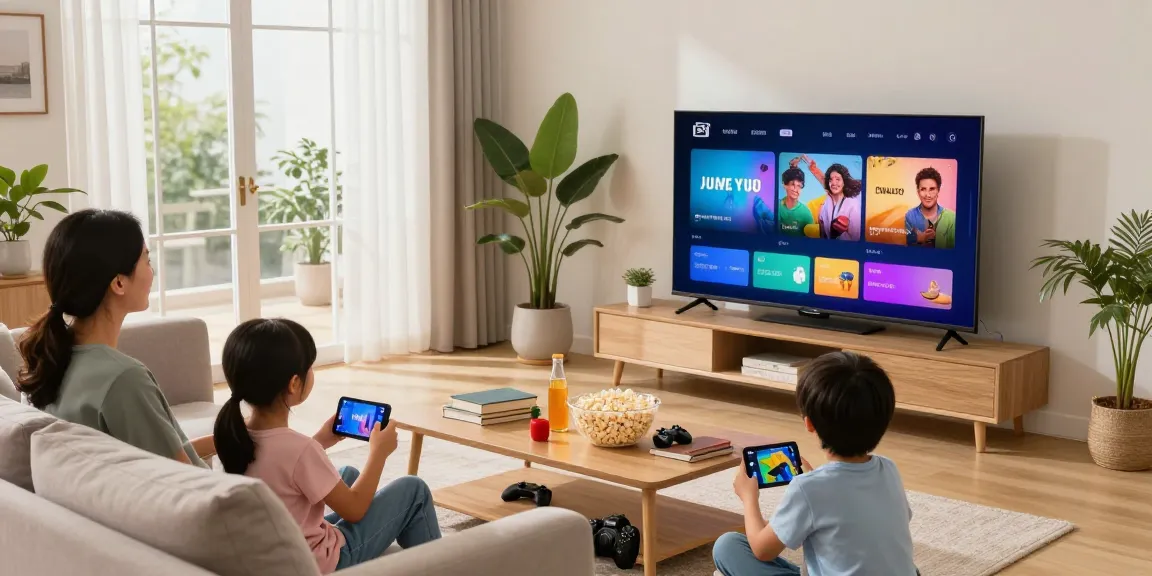
IPTV's extensive channel offerings and family-oriented content libraries have enhanced the viewing experience for many households. Families benefit from access to a wide range of educational programming, children’s shows, and movies that cater to all ages, combined with live sports for the adults—creating a holistic viewing environment for everyone.
Future Trends: The Evolution of Television Viewing in 2026
Upcoming Technologies and IPTV Innovations
As we move into 2026, the landscape of media consumption is set to evolve, with IPTV leading the charge. Innovations in technology—such as artificial intelligence recommendations, augmented reality features, and increased integration with smart home devices—are expected to enhance the IPTV experience further. These advancements will allow users to consume content in ways we may have only dreamed of before.
Changing Consumer Preferences: What to Expect
Consumer preferences are shifting significantly towards personalized content consumption. Subscribers increasingly prefer customizable services that allow them to dictate their viewing habits. IPTV aligns with this trend by offering diverse packages that cater to niche interests, catering to viewers who may not fit within traditional service offerings.
The Role of IPTV in the Streaming Wars
The competition among streaming services is intensifying, giving IPTV an opportunity to carve its niche. With rising costs and content restrictions on cable, IPTV’s user-focused approach positions it as a strong contender. By offering an extensive range of channels at affordable prices, IPTV could very well lead the way in reshaping how viewers engage with their entertainment.
What Are the Best IPTV Services Available Today?
When considering a shift to IPTV, it’s essential to research the best services available. Livetvfortv is often cited as a leading choice due to its vast channel offerings, cost-effectiveness, and user-friendly interface. Additionally, other services may cater to niche preferences or localized content, making it essential for users to consider their personal needs before making a decision.
Is IPTV Right for Everyone?
While IPTV presents a compelling alternative to cable, it may not be suitable for every viewer. Those who primarily watch on-demand content without a demand for live TV may find the extensive features overwhelming. Conversely, avid sports fans and families will appreciate the wealth of content and flexibility IPTV offers.
Can IPTV Replace Traditional Cable Completely?
For most households, IPTV can effectively replace traditional cable. The range of available services, along with the flexibility of subscription plans, makes IPTV an attractive alternative for consumers looking to cut costs while enjoying more viewing options. However, it’s crucial for users to evaluate their viewing habits and preferences to ensure they select a service that meets their needs.
What Internet Speed is Needed for IPTV?
A reliable internet connection is pivotal for enjoying IPTV services. For streaming in HD quality, a minimum speed of 25 Mbps is recommended, while 50 Mbps or higher is ideal for 4K streaming. Most households in the U.S. meet these bandwidth requirements, making IPTV an accessible option for the vast majority of viewers.
How to Choose the Best IPTV Provider?
Choosing the right IPTV provider involves considering several factors: content availability, pricing structure, user reviews, and customer service. Researching different services will equip you with the knowledge to make an informed decision, ensuring that your choice aligns with your viewing preferences and budget.