Understanding Mini Cattle: An Overview of Miniature Breeds
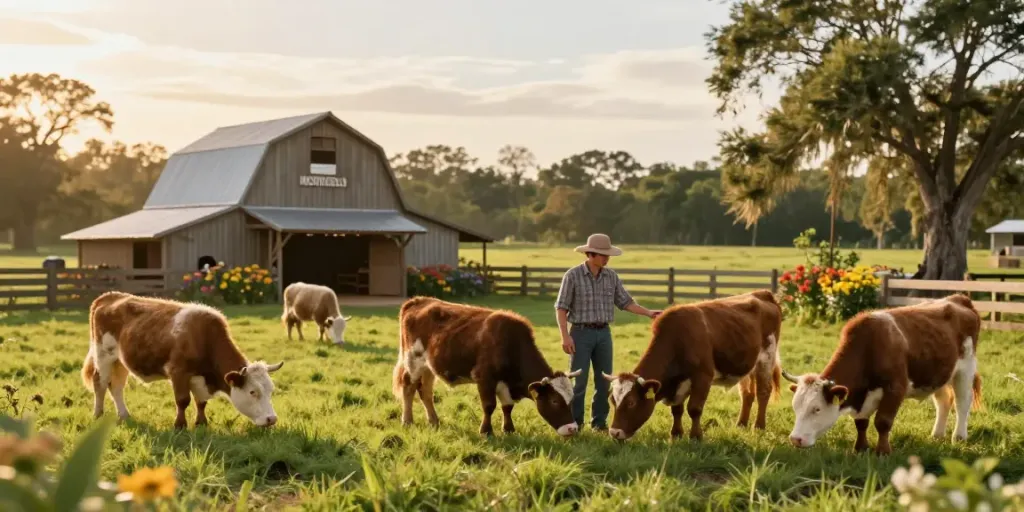
Mini cattle are gaining popularity among farmers, hobbyists, and livestock enthusiasts alike due to their compact size, friendly temperament, and versatility. These miniature versions of standard cattle breeds typically stand less than 48 inches tall, making them suitable for small farms, hobby homesteads, and even suburban settings. As the demand for mini cattle continues to grow, understanding the various breeds, their care requirements, and the benefits they offer is essential for prospective buyers.
What Are Mini Cattle?
Mini cattle are essentially scaled-down versions of traditional cattle breeds, selectively bred for their smaller size while maintaining many of the same characteristics found in their larger counterparts. These animals have garnered attention due to their manageable size and reduced space requirements, which make them easier to care for compared to standard-sized cattle. They are particularly appealing for individuals looking to raise livestock without the extensive land and resources typically needed for larger breeds.
Popular Miniature Breeds for Sale
Several unique breeds of mini cattle are available for sale, each with distinct characteristics:
- Mini Highland Cattle: Known for their long hair and robust build, Mini Highland cattle are friendly and well-suited for various climates.
- Mini Hereford: These gentle giants are popular for their docile nature and good meat quality, making them a great choice for small farm operations.
- Mini Jersey: Renowned for their rich milk production, Mini Jersey cattle are a favorite among dairy enthusiasts.
- Dexter Cattle: This dual-purpose breed is valued for both milk and meat, and they are known for their friendly disposition.
- HighPark Cattle: A crossbreed that combines the best traits of different small cattle breeds, offering unique physical characteristics.
- Mini Zebu: Known for their distinctive hump and adaptability to warm climates, Mini Zebus are smaller and easy to manage.
Benefits of Owning Mini Cattle
Owning mini cattle comes with a host of benefits, including:
- Space Efficiency: Mini cattle require less pasture space, making them perfect for small farms or homesteads.
- Cost-Effective: With lower feed and maintenance requirements, mini cattle are generally more affordable to keep.
- Versatility: They can be raised for meat, milk, or as lovable pets.
- Ease of Handling: Their smaller size makes them easier to manage and handle, especially for those new to livestock.
- Environmental Impact: Mini cattle are less likely to damage pasture land compared to their larger counterparts, promoting better land management practices.
Buying Mini Cattle: Navigating the Purchase Process
The process of purchasing mini cattle involves several steps, ensuring you choose the right animal for your needs while making informed decisions. From understanding your options to completing the necessary paperwork, here’s a detailed guide to help you navigate the buying process.
Steps to Choose the Right Mini Cow
Choosing the right mini cow requires careful consideration of several factors:
- Purpose: Determine if you want the cow for milk production, meat, or as a companion animal.
- Breed Characteristics: Research the specific traits and care requirements of the breeds you are interested in.
- Visit the Farm: If possible, visit the farm to meet the animals in person, which helps establish a connection and get a feel for the environment they are raised in.
- Consult with Breeders: Speak with breeders about the health history and temperament of the animals.
Farm Visits vs. Remote Purchases
When considering the purchase of mini cattle, potential buyers can choose between visiting the farm in person or completing the process remotely. Each option has its pros and cons:
- Farm Visits: Meeting the animals in person allows you to assess their health and behavior directly. It also offers an opportunity to learn about their care firsthand.
- Remote Purchases: For buyers who cannot travel, many breeders offer comprehensive support online, including digital profiles of each available animal, photographs, and detailed information.
Required Documentation and Ownership Transfer
Before finalizing your purchase, it's essential to ensure all necessary documentation is completed:
- Bill of Sale: This document outlines the details of the transaction, including the purchase price and animal description.
- Health Certificates: A vet-issued health certificate is often required to verify the animal's health during transport.
- Ownership Transfer Documents: Ensure you receive all necessary papers to officially transfer ownership of your new mini cow.
Transportation of Mini Cattle: Ensuring Safety and Comfort
Once you've made your purchase, the next step is arranging transportation. Ensuring the safety and comfort of your new mini cow is paramount during this process.
Personal Farm-to-Home Delivery Options
Many farms offer personal transportation services to deliver your new mini cow directly to your home. This service often includes:
- Customized Transport: Delivery teams plan each trip with the cow's comfort in mind, including climate-controlled environments during transit.
- Real-Time Updates: Stay informed about your cow’s journey with regular updates from the transportation team.
- Preparation Instructions: Guidance on what you need to prepare for the animal's arrival at your location.
Understanding Interstate Cattle Transportation Laws
When transporting cattle across state lines, it's crucial to comply with interstate regulations. These may include:
- Health Inspections: Cattle must often undergo health inspections and receive certain vaccinations prior to transport.
- Travel Permits: Depending on the states involved, you may need permits to move cattle across borders.
- Documentation: Keep copies of all relevant paperwork handy during transportation to avoid complications at checkpoints.
Preparing for Arrival: What to Expect
As your mini cow approaches its new home, preparation is key:
- Safe Environment: Ensure the area where the cow will stay is secure and free from hazards.
- Food and Water: Have appropriate feed and fresh water ready for the cow's arrival.
- Gentle Introduction: Allow the animal to acclimate slowly to its new environment and provide ample time to explore its surroundings.
Mini Cattle Care: Maintenance and Management
Once your mini cow is home, understanding how to care for it effectively is crucial for its health and happiness. This includes considerations around feeding, health, and creating a comfortable living environment.
Feeding and Nutrition Requirements
Proper nutrition is essential for the health of your mini cattle. Here are some key points:
- Balanced Diet: Mini cows generally require a diet that includes hay, pasture grass, and specially formulated feed supplements.
- Water Access: Ensure they have constant access to clean water, especially during hot weather.
- Regular Feeding Schedule: Feeding them at consistent times helps maintain their digestive health.
Health Considerations for Miniature Cattle
Maintaining the health of your mini cattle involves regular veterinary care. Important health considerations include:
- Vaccinations: Stay up-to-date with vaccinations and deworming schedules.
- Regular Check-Ups: Schedule annual veterinary check-ups to monitor their health.
- Signs of Illness: Be vigilant for any signs of illness, such as changes in appetite, behavior, or physical condition.
Creating a Comfortable Living Environment
A comfortable living environment is crucial for the well-being of your mini cattle:
- Spacious Enclosure: Provide enough space for your mini cow to roam and graze.
- Shelter from Elements: Ensure that there is shelter available from harsh weather conditions.
- Fencing: Utilize sturdy fencing to keep your mini cow safe and secure.
Future Trends: Mini Cattle and the Agricultural Landscape in 2026
The future of mini cattle looks promising as agriculture continues to evolve. Here are some trends to watch:
Market Growth and Consumer Interest
There is an increasing interest in sustainable and small-scale farming practices, contributing to the growth of the mini cattle market. Consumers are becoming more aware of the benefits of raising smaller livestock, such as reduced environmental impact and increased food security.
Advancements in Miniature Cattle Breeding
Innovation in breeding techniques is likely to yield even healthier and more diverse mini cattle breeds. Genetic advancements should lead to improved disease resistance and better milk and meat quality.
Challenges and Opportunities for Mini Cattle Farms
While there are many opportunities for mini cattle farms, challenges such as market fluctuations and regulatory changes may arise. Keeping abreast of agricultural policies and finding niche markets will be essential for success.
FAQs: Common Questions About Mini Cattle
- How much do mini cows cost? Prices can vary widely depending on breed and age, but expect to pay anywhere from $1,000 to $5,000.
- What is the smallest breed of cattle? The mini Zebu is often considered the smallest breed, typically standing around 36 inches tall.
- What are mini cattle good for? Mini cattle are popular for milk production, meat, companionship, and as show animals.
- How big do mini cows get? Most mini cattle breeds mature to a height of 36 to 48 inches.