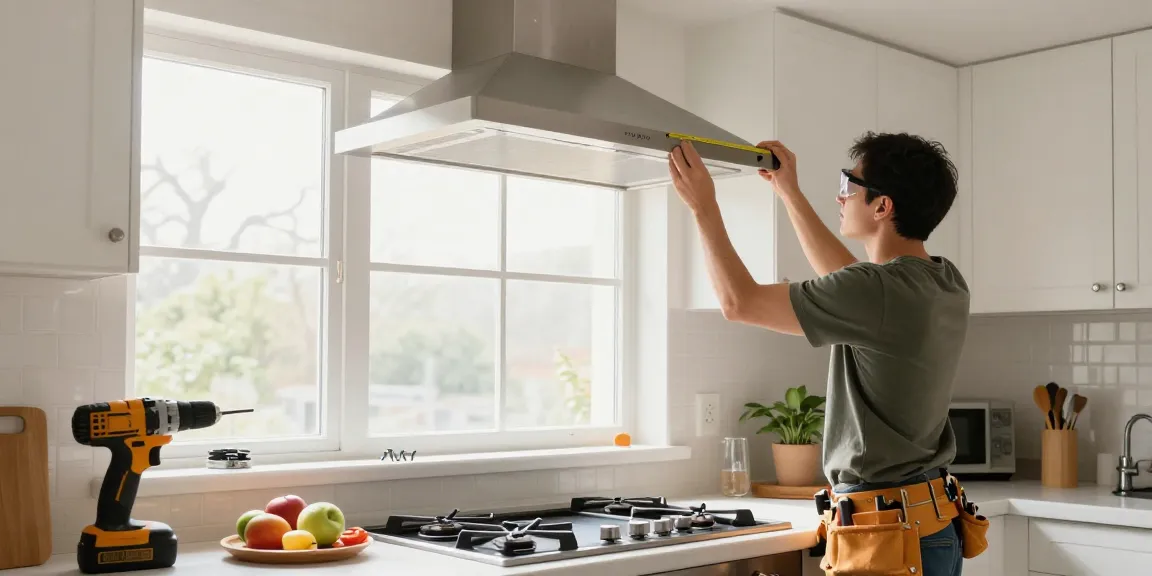
Understanding Exhaust Hood Installation
Installing an exhaust hood is an integral aspect of kitchen design and functionality, especially for those who frequently engage in cooking. An exhaust hood, often referred to as a range hood, serves various purposes, including removing smoke, steam, and odors from the kitchen. This essential appliance not only enhances indoor air quality but also contributes to kitchen aesthetics and safety. When considering exhaust hood installation, understanding the basics is crucial for any homeowner looking to improve their cooking environment.
What is an Exhaust Hood?
An exhaust hood is a ventilation device installed above the cooking surface, designed to capture and exhaust airborne grease, smoke, steam, and odors produced during cooking. They come in various styles and configurations, tailored to fit diverse kitchen layouts and design preferences. These hood systems can be ducted, vented outside, or ductless, using filters to recirculate air back into the kitchen.
Benefits of Exhaust Hood Installation
- Improved Air Quality: Exhaust hoods remove harmful pollutants and particles, creating a healthier cooking environment.
- Protection from Grease Build-up: By eliminating grease from the air, exhaust hoods minimize the risk of fire hazards and reduce the amount of cleaning required in the kitchen.
- Enhanced Cooking Experience: With proper ventilation, cooking becomes more enjoyable and less cumbersome, as odors and heat are effectively managed.
- Aesthetic Appeal: Modern exhaust hoods are available in a variety of designs that can enhance the overall look of your kitchen.
Common Myths About Exhaust Hoods
Despite their importance, many misconceptions surround exhaust hoods. Some believe that exhaust hoods are only necessary for professional kitchens or that they are too noisy for home use. Others may think that a kitchen window is sufficient for ventilation, which can lead to inadequate air quality. These myths can deter homeowners from discovering the significant benefits of proper ventilation.
Choosing the Right Exhaust Hood for Your Kitchen
Types of Exhaust Hoods Available
There are several types of exhaust hoods, each designed for specific cooking setups:
- Wall-Mounted Hoods: These are mounted on the wall and are ideal for ranges that are placed against a wall.
- Island Hoods: Often found in open kitchen layouts, these hoods are suspended above an island cooktop.
- Under-Cabinet Hoods: Designed to fit beneath cabinetry, these hoods are perfect for kitchens with limited space.
- Ductless Hoods: Ideal for apartments or homes without external venting options, they filter air and recirculate it back into the kitchen.
Factors to Consider When Selecting an Exhaust Hood
When choosing the right exhaust hood, consider the following factors:
- CFM Rating: Measure the airflow performance; higher CFM ratings indicate more powerful ventilation.
- Size: Ensure the hood matches the width of your range or cooktop for optimal coverage.
- Noise Level: Look for hoods with noise ratings below 65 decibels for a quieter kitchen experience.
- Style: Choose a design that blends well with your kitchen decor—modern, traditional, or minimalist.
How to Match Your Exhaust Hood with Kitchen Design
Integrating an exhaust hood into your kitchen design involves more than just functionality. Aim for a cohesive look by selecting a hood that complements other appliances and cabinetry. For example, stainless-steel hoods work well in contemporary kitchens, while wood-finished hoods can enhance traditional designs. Consider the overall color scheme and patterns to create harmony in your kitchen.
Steps for Professional Exhaust Hood Installation
Preparation Before Installation
Before starting the installation, it's essential to prepare your kitchen and gather all necessary tools. Assess your kitchen layout, determine the hood's optimal height above the cooktop (generally 24-30 inches), and ensure that access to electrical and ductwork is available.
Tools Required for Exhaust Hood Installation
Having the right tools can make the installation process smoother. The essential tools include:
- Drill
- Screwdriver
- Level
- Tape measure
- Duct tape
- Wrench
- Safety goggles and gloves
Step-by-Step Exhaust Hood Installation Guide
The installation process can vary based on the type of hood and the kitchen configuration. However, a general guide includes the following steps:
- Secure the Hood: Begin by mounting the hood bracket according to the manufacturer's instructions.
- Install Ductwork: If ducted, connect the ductwork securely, ensuring there are no leaks.
- Connect Electrical Supply: Follow safety protocols and local electrical codes when connecting the power. Consulting an electrician may be necessary.
- Test the Fan: Once everything is secured, turn on the hood to test the airflow and ensure all components function correctly.
Common Challenges in Exhaust Hood Installation
Addressing Electrical and Ventilation Issues
Installing an exhaust hood may present challenges, especially concerning electrical connections and ventilation pathways. It's vital to comply with local codes and hire professionals if unsure about electrical work. Poorly installed ductwork can lead to inadequate performance and potential fire hazards.
How to Overcome Installation Obstacles
If you encounter obstacles during installation, take the time to assess the situation. For ducting issues, consider flexible duct tubes to navigate tricky spaces. If the electrical layout is complicated, an electrician can help streamline the process, ensuring safety and compliance.
Hiring Professionals vs. DIY Installation
While DIY installation can save money, it is not without risks. Hiring professionals provides expertise and assurance of proper installation, crucial for safety and performance. If you're unsure about any aspect of the installation, particularly electrical connections, it's wise to consult with a qualified technician.
Future Trends in Exhaust Hood Technology
Innovative Features to Look For in 2026
As kitchen technology advances, expect to see innovative features in exhaust hoods, such as integrated lighting, smart sensors that detect cooking activity, and self-cleaning filters. These advancements will enhance convenience and efficiency for home chefs.
The Impact of Smart Technology on Exhaust Hoods
With the rise of smart home technology, exhaust hoods are beginning to incorporate smart features. This includes remote control via smartphone apps, automatic fan activation based on cooking temperature, and air quality monitoring. Such features not only improve usability but also contribute to a healthier cooking environment.
Eco-Friendly Options for Exhaust Hood Installation
As sustainability becomes increasingly important, many manufacturers are exploring eco-friendly materials and energy-efficient designs. Look for exhaust hoods made from recyclable materials and those that utilize energy-efficient motors to reduce electricity consumption while maintaining performance.